Self-Help Groups
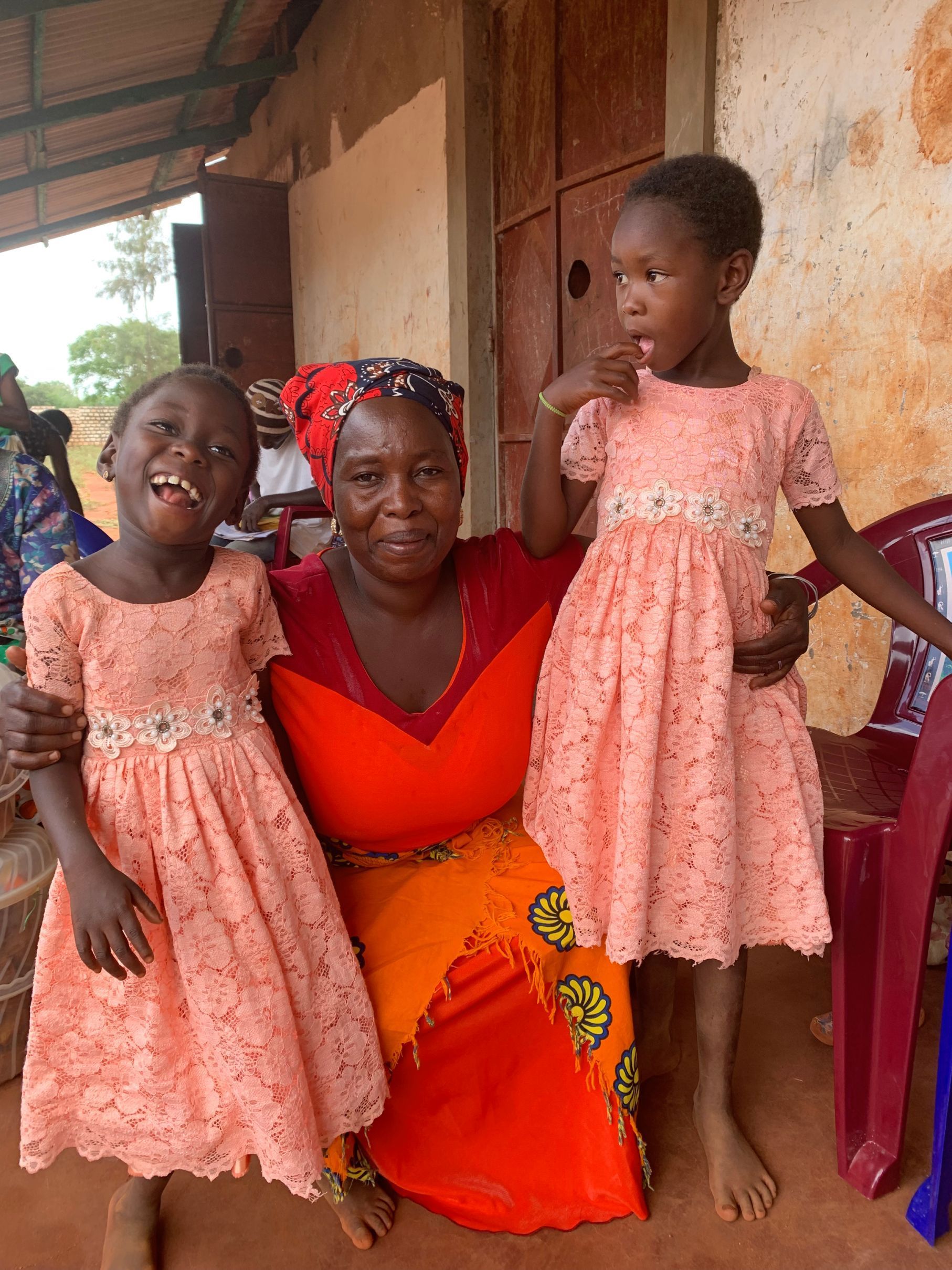
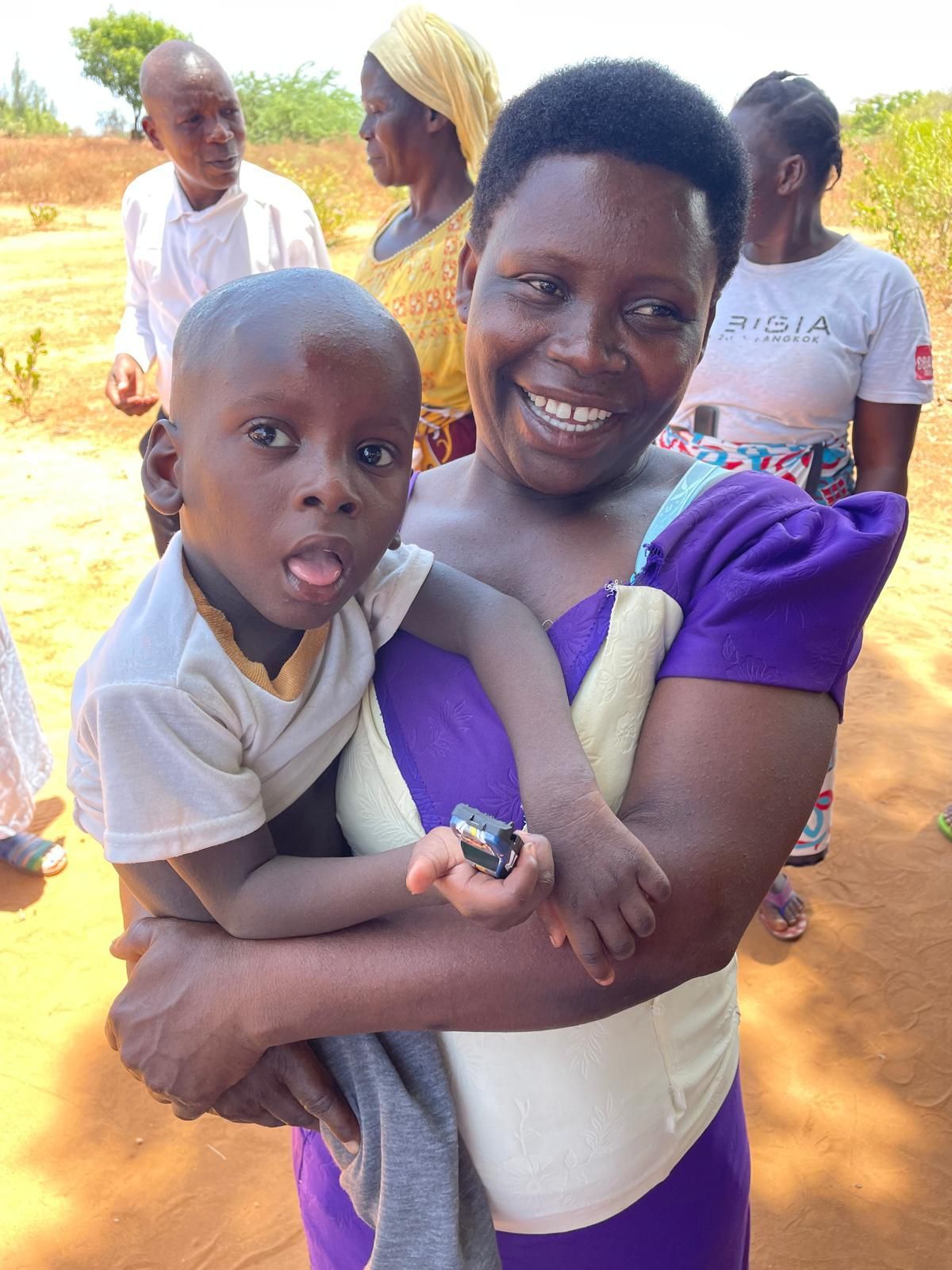
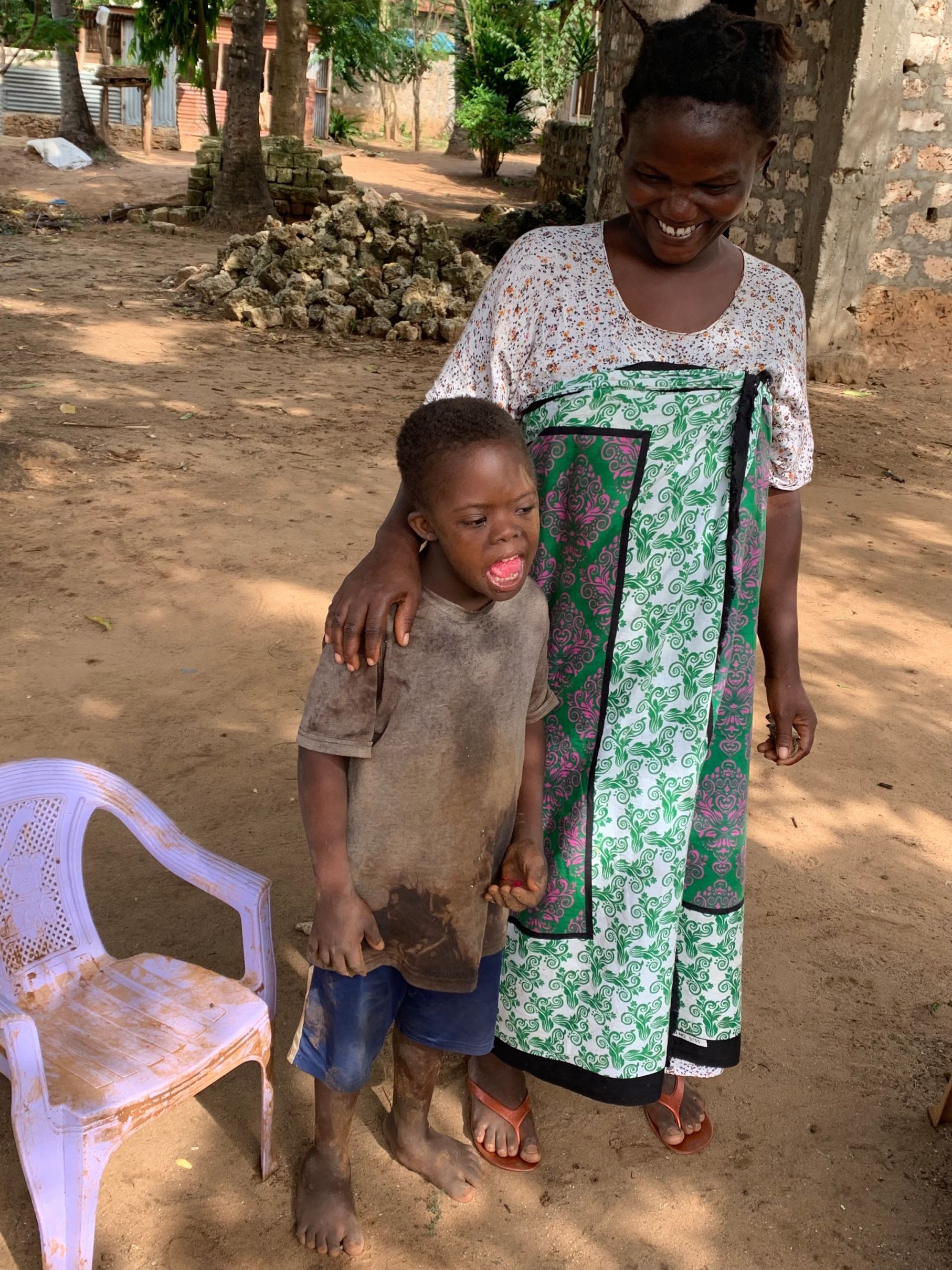
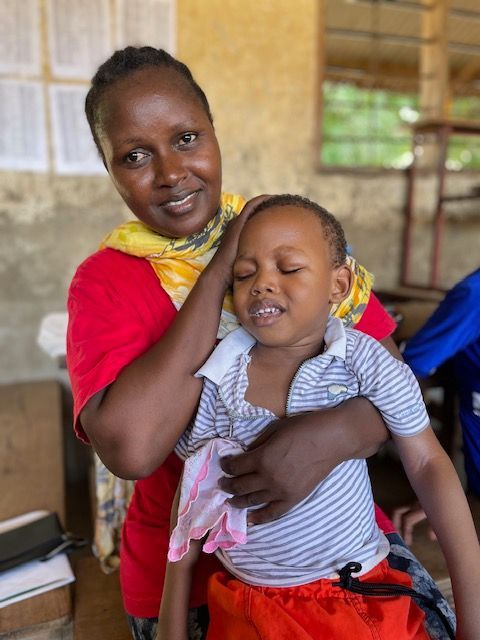
At Walezi-caregivers Kenya we believe in the power of self-help groups to make a difference in the lives of caregivers and their children and family members with disabilities. With our support, the groups are enabled to take charge of their own well-being and create a supportive community. Find out about our self-help groups below and read about some of the children and family members with disabilities.
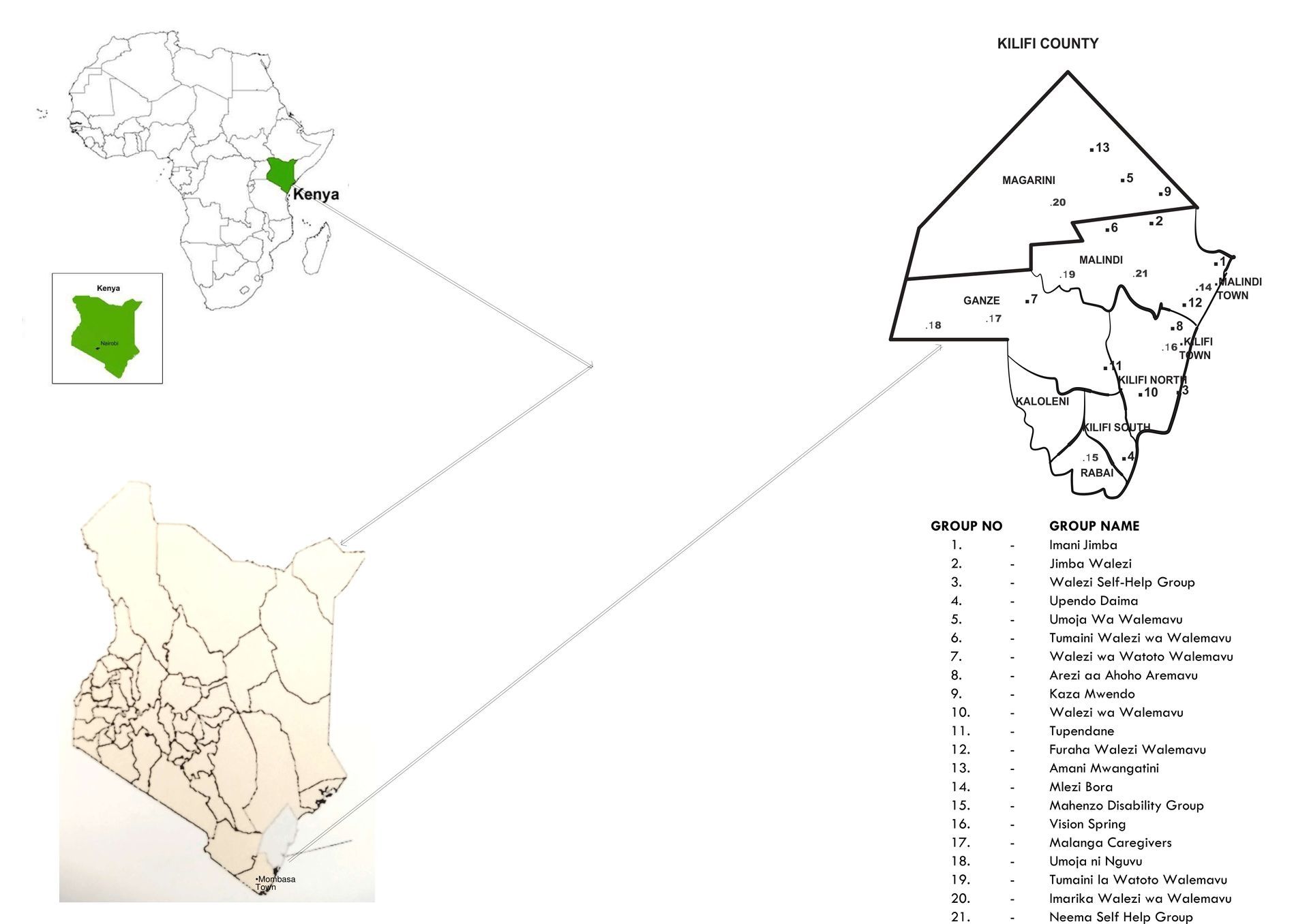
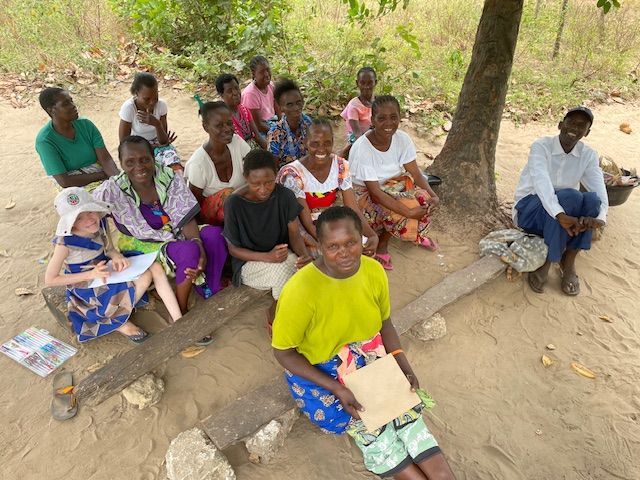
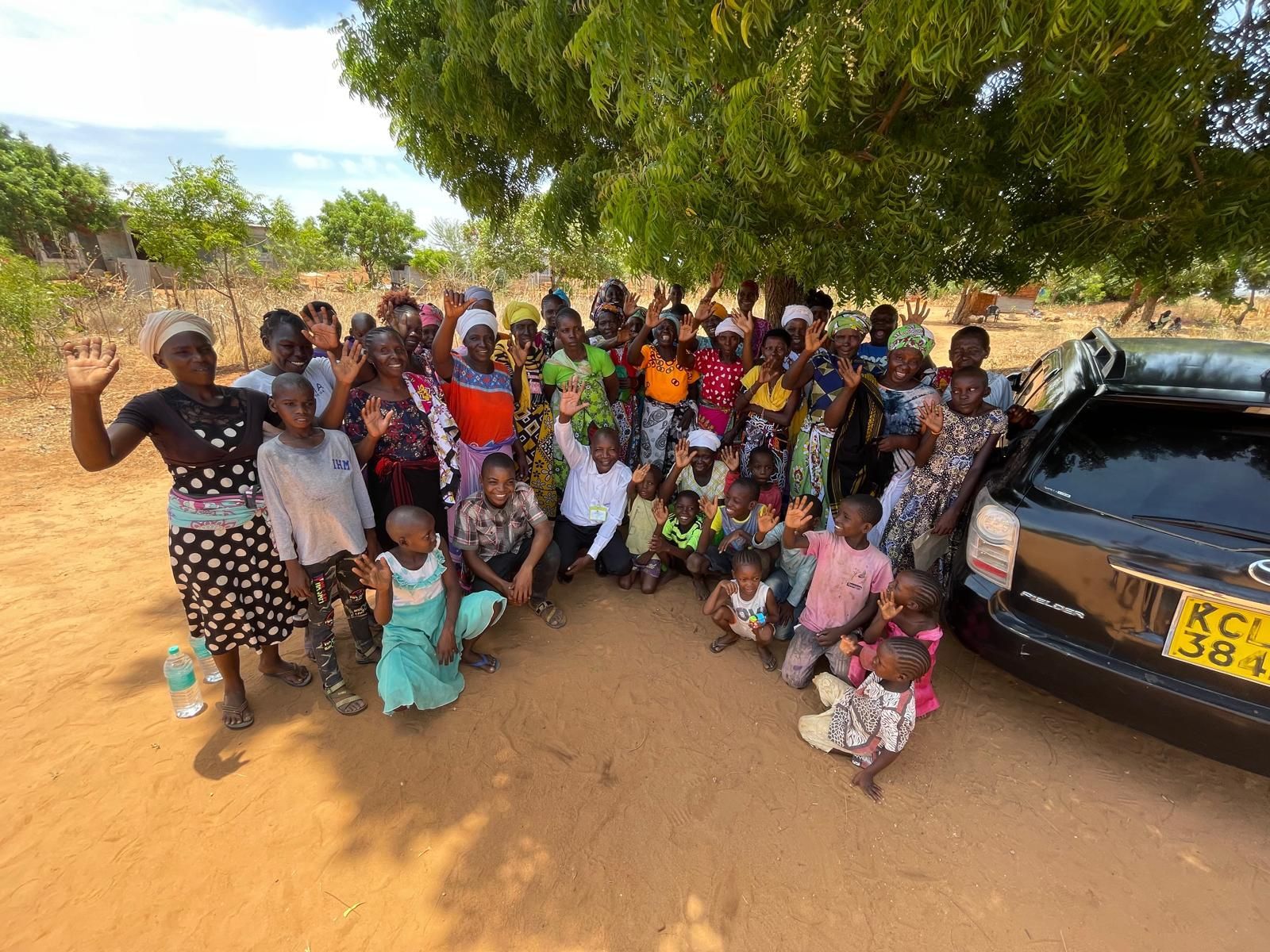
Currently there are 21 self-help groups across Kilifi County. Group membership ranges from 8 to 29. The groups operate within a locality and attract caregivers who live there.
Empowering caregivers
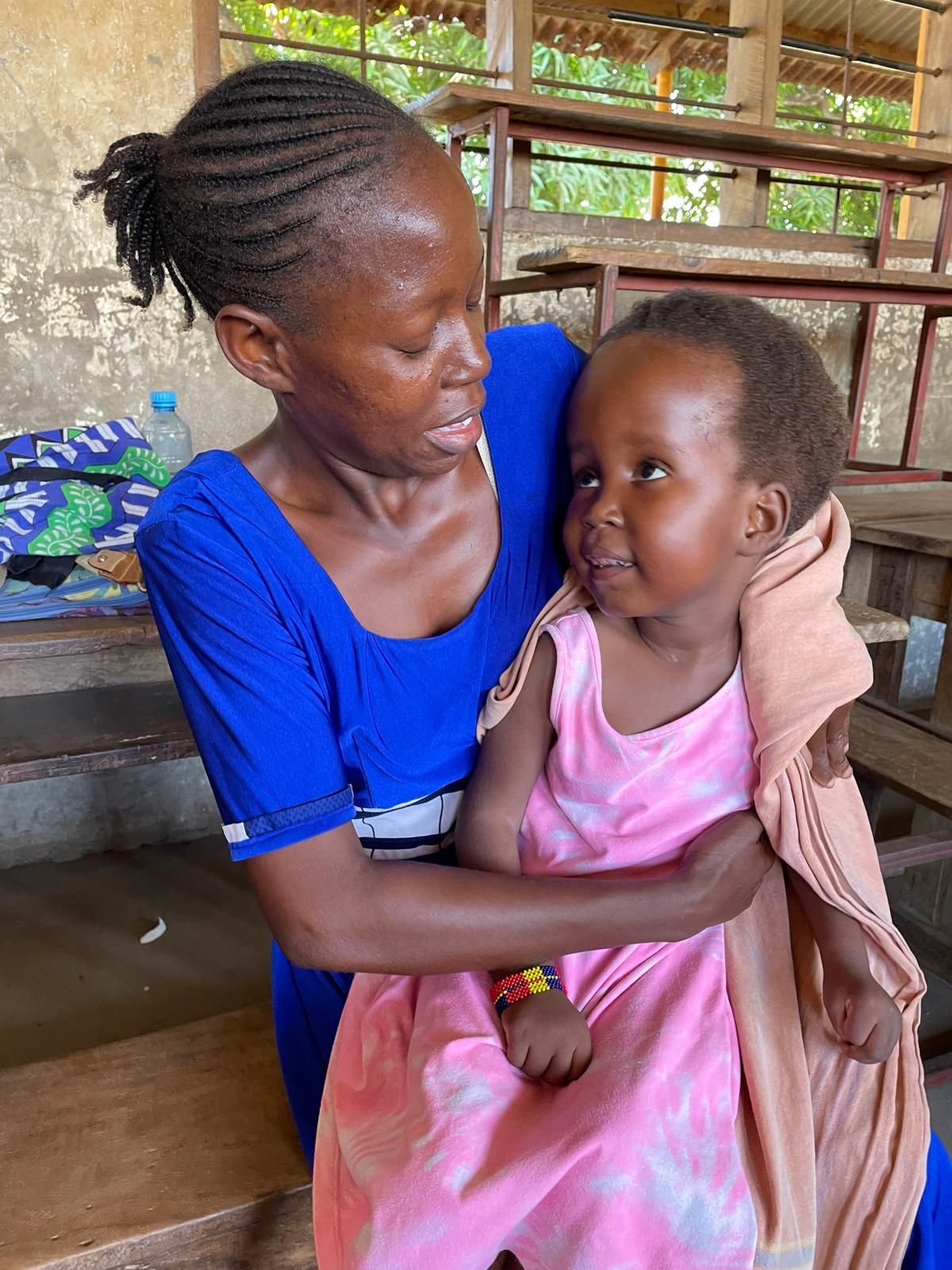
Before joining a self-help group many of our caregivers experience stress, fatigue and isolation. A mother may be blamed for her child’s disability by other family members and people in the community. In extreme cases, the father may even abandon his family, leaving the mother alone and sad. Caring for someone with a disability is a daily challenge with insufficient money for rent, food, clothing, school fees and medicines.
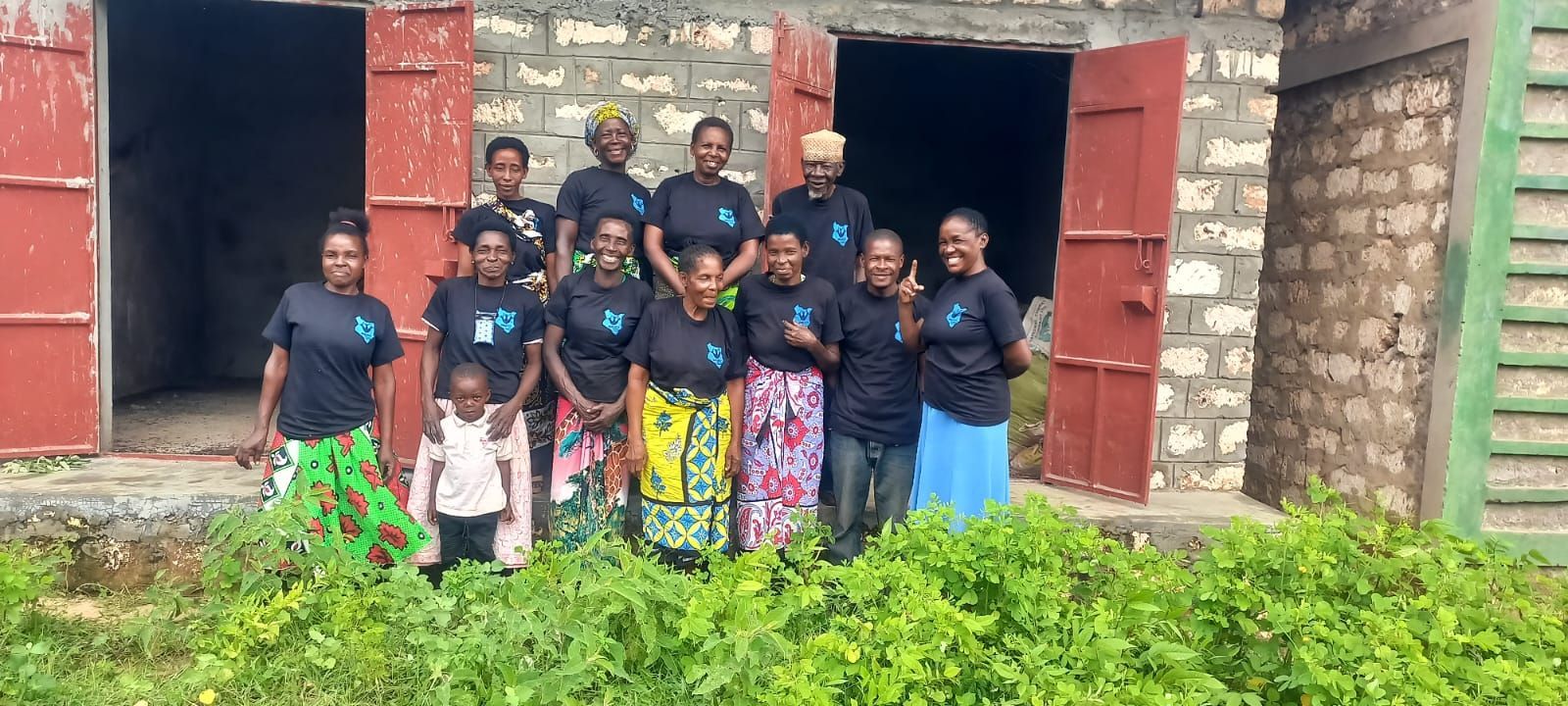
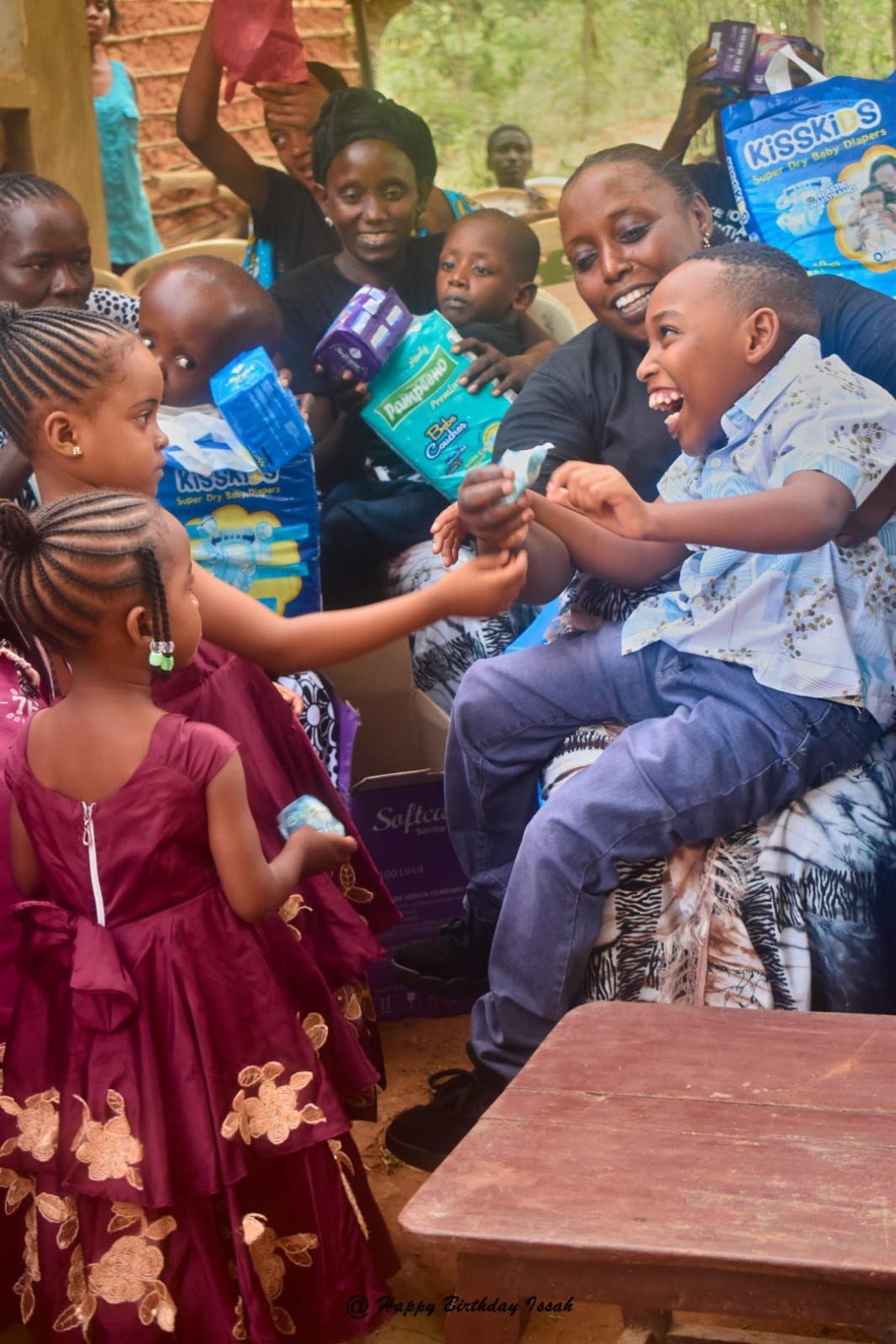
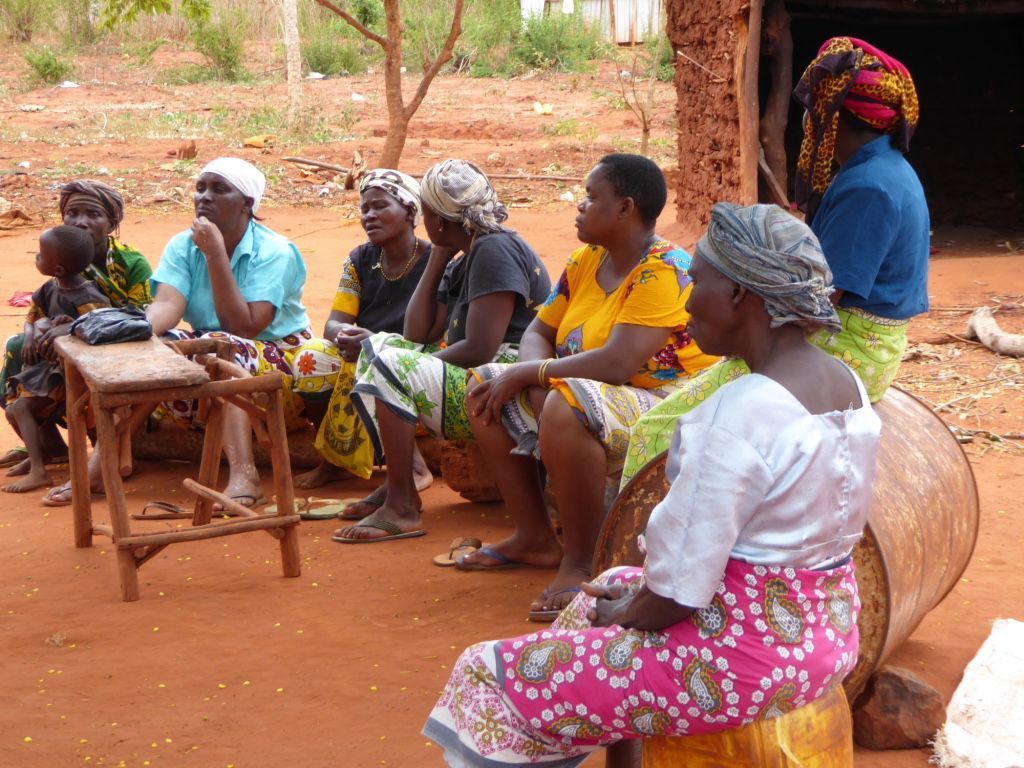
Being a member of a self-help group brings the caregivers into contact with others who have had similar experiences. Peer support and friendship alleviate feelings of loneliness and bring a sense of belonging. Representatives from the group visit the homes of new members or members in trouble, bringing gifts of coconut oil, washing soap, and maize flour.
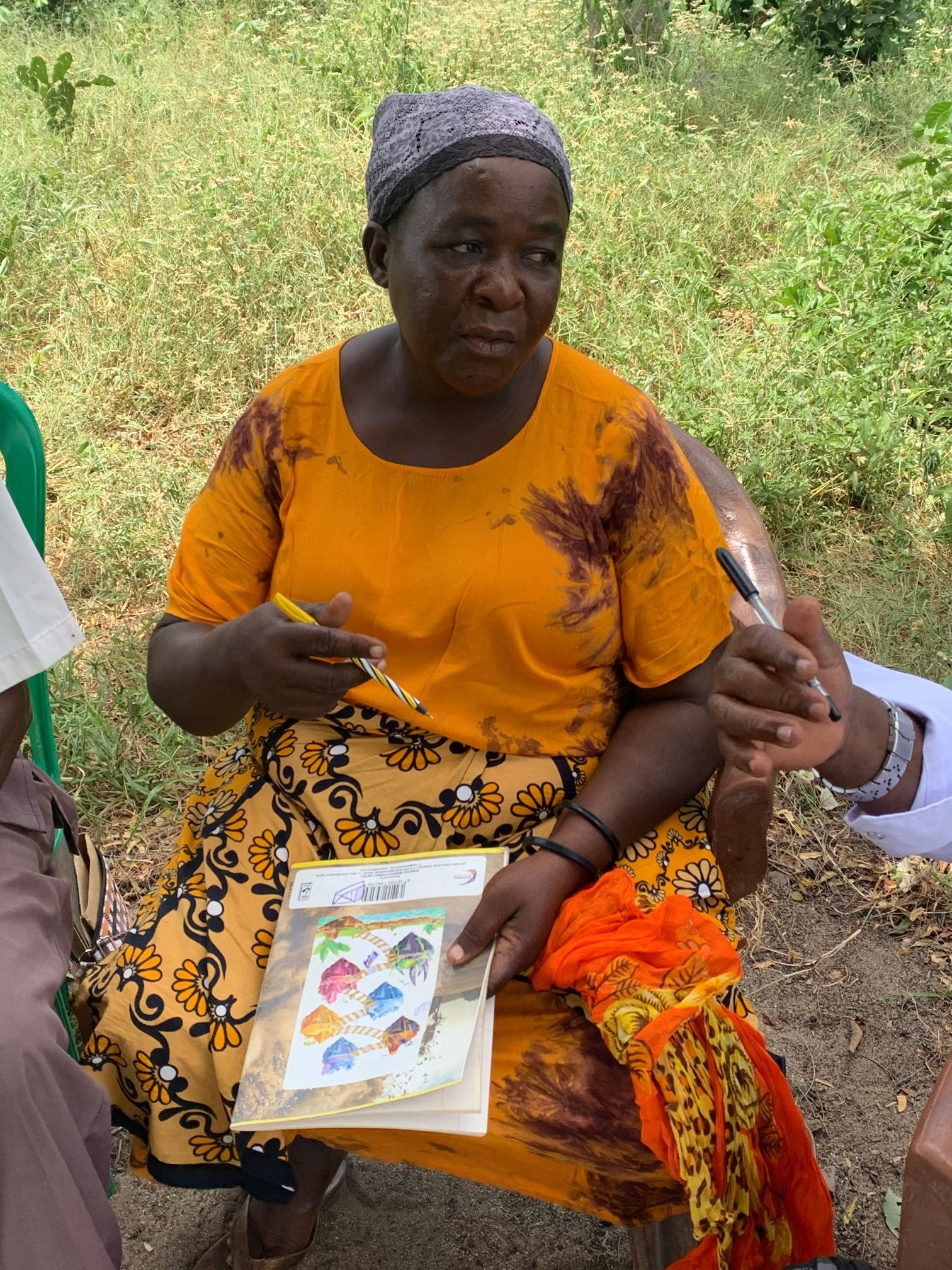
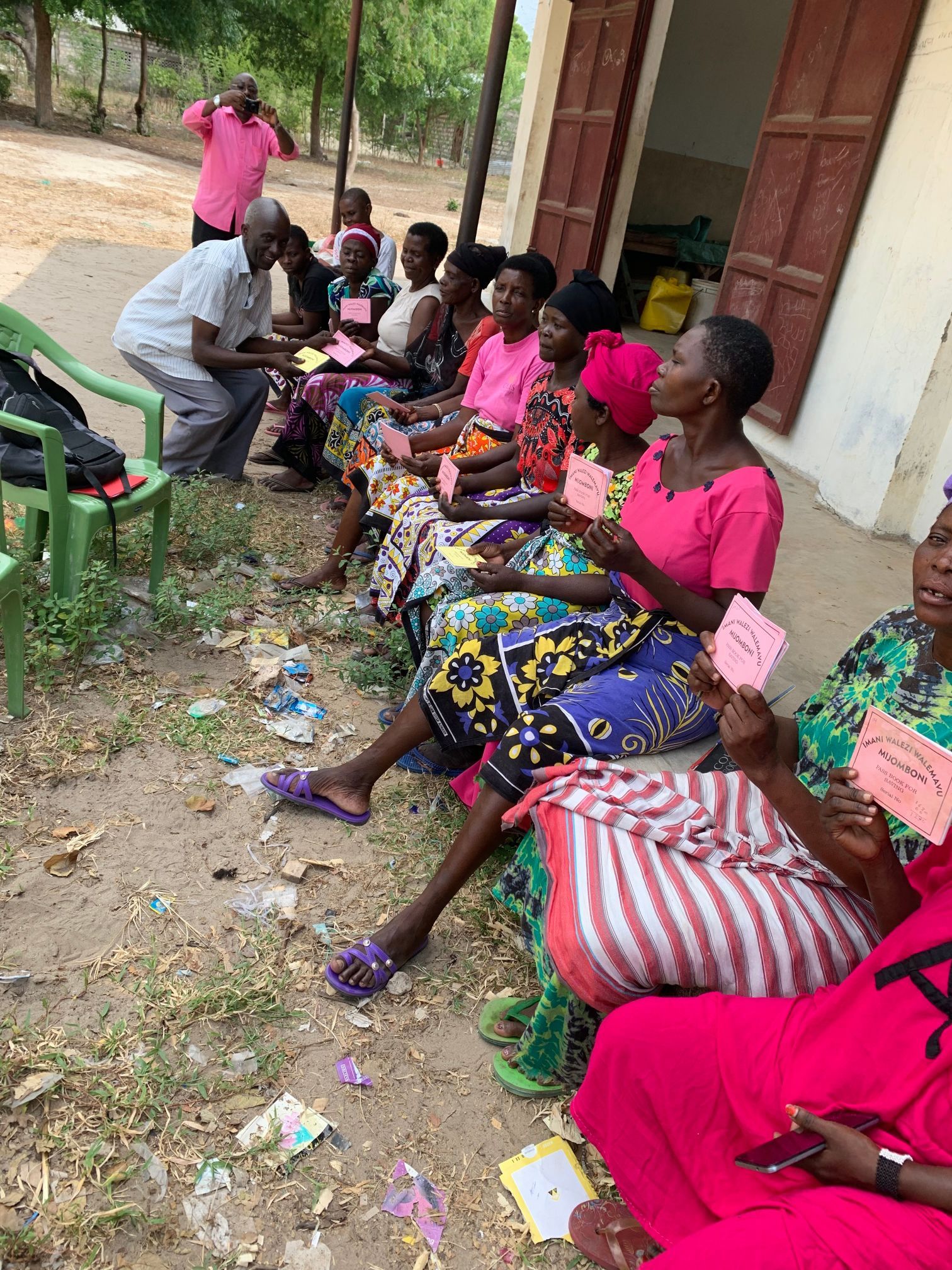
The caregivers come together at their regular meetings. They help each other to care for and protect their children and family members with disabilities, whilst also ensuring their visibility in the community.
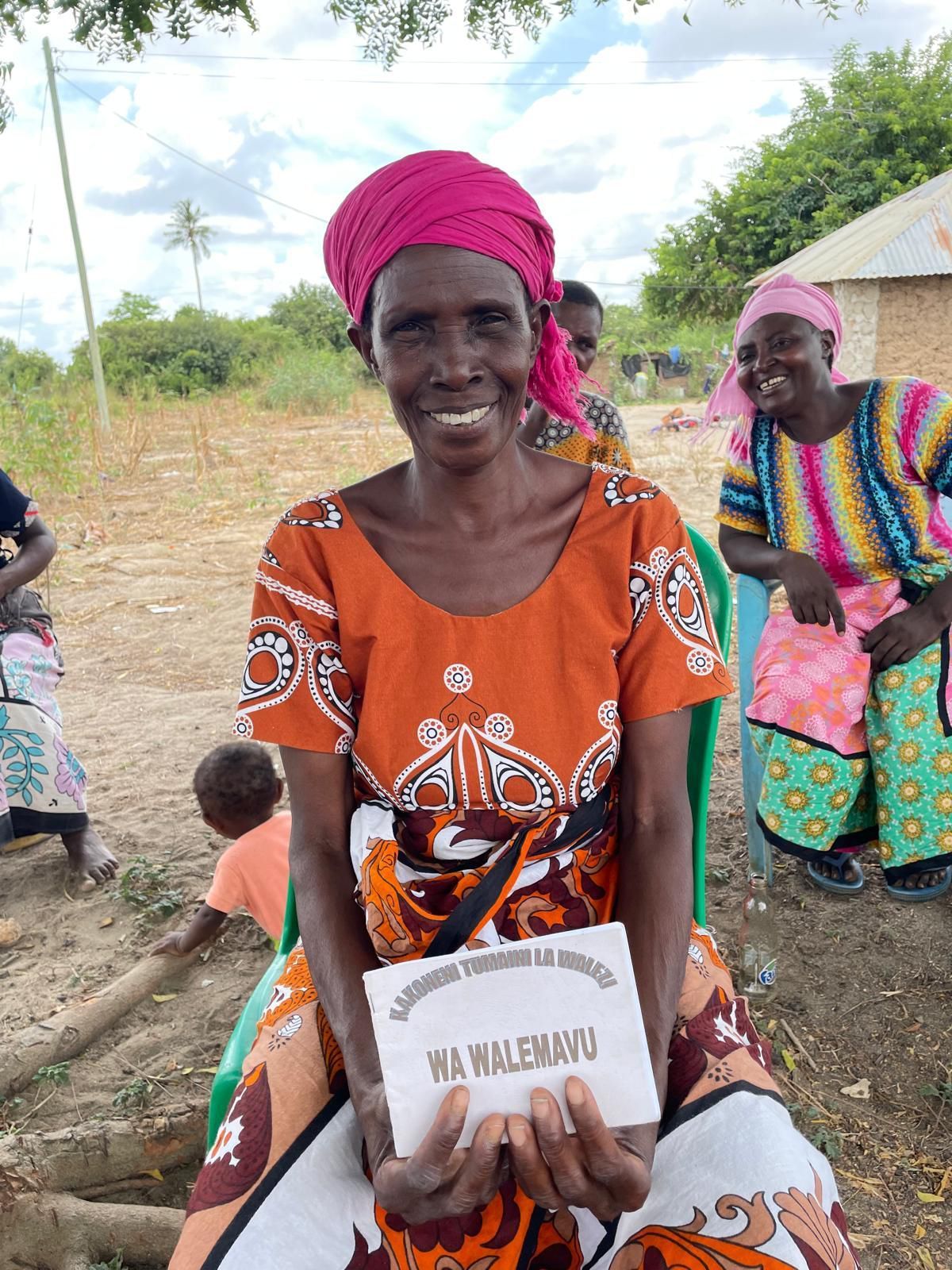
Some caregivers take on key roles in the group: the Chairperson runs the meetings and manages communications with the membership; the secretary records attendance at the meetings and the group’s ideas and decisions; the treasurer collects member subscriptions, monitors the member’s shares & savings, and maintains the ledger of group finances.
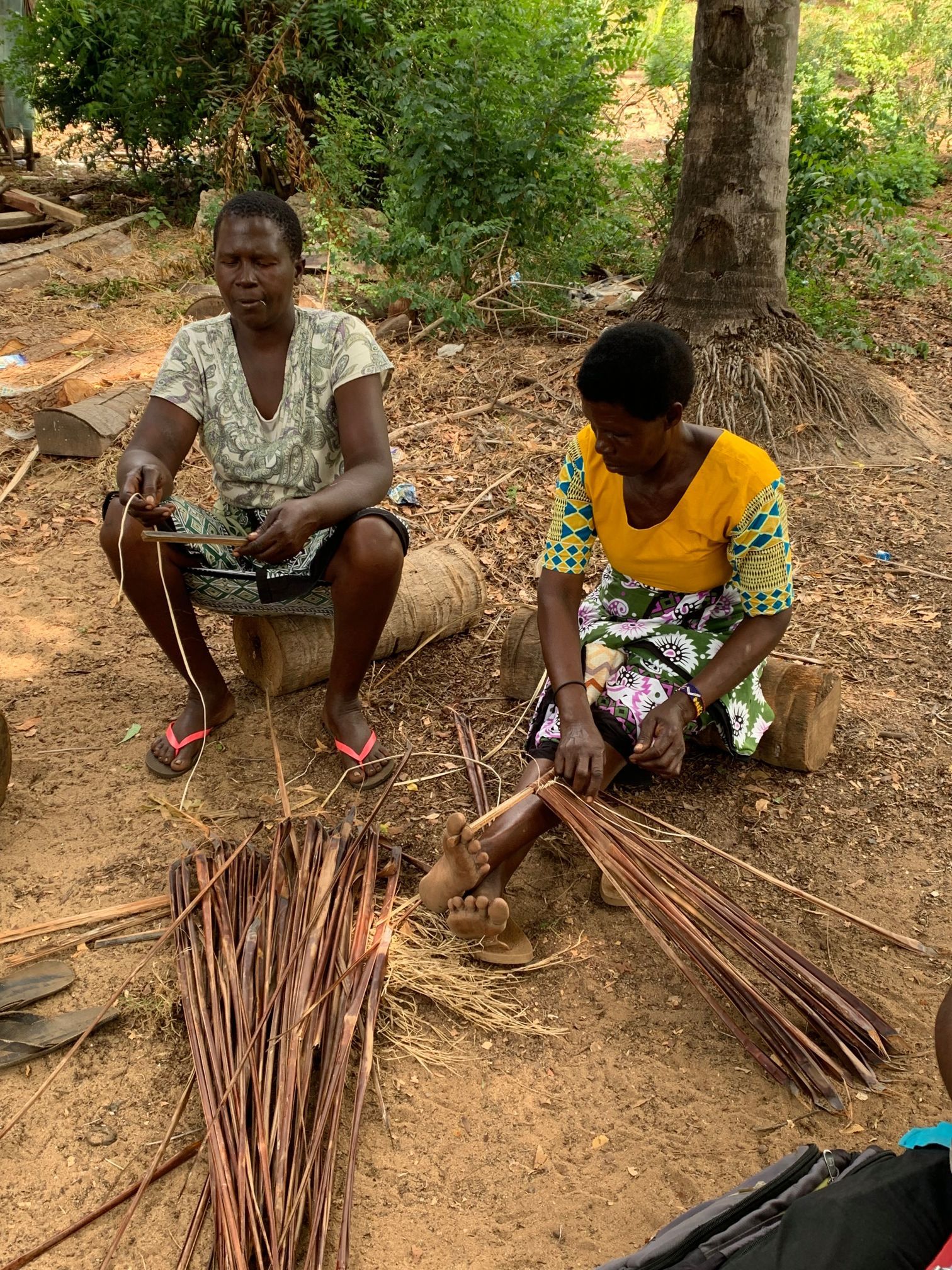
The caregivers bring their craftwork and home produce to the group for selling in the local community.
Children & family members with disabilities
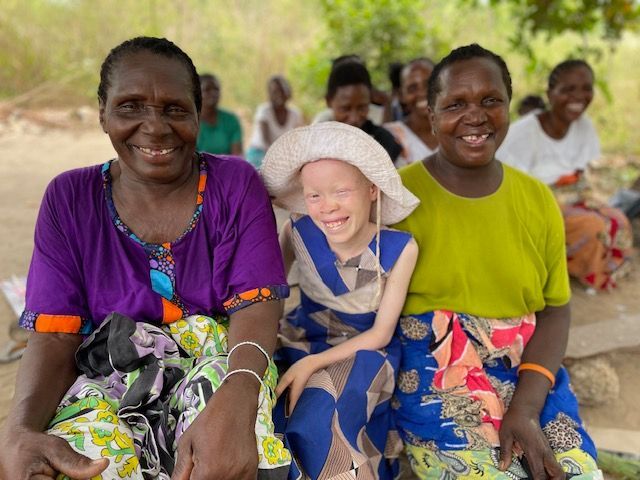
The children and family members with disabilities all have different stories. Their disabilities include cerebral palsy affecting mobility and motor control; learning disabilities such as Down syndrome, hydrocephalus combined with spina bifida and other unknown causes which hamper general development; autism that challenges family life; albinism bringing daily battles against the sun’s harmful rays; sensory deficits (e.g. deafness, blindness) affecting communication and learning; and epilepsy requiring anti-convulsant medication.
Assessment of need is not always straightforward. The caregivers struggle to understand the difficulties experienced by their children and how they should help them. Some are fortunate to be referred for assessment of their educational needs and for therapy at the local hospital. Others make efforts to find money for school fees and transport to therapy sessions. Aids and adaptations to help with mobility and everyday functioning are not readily available.
Regardless of their children’s difficulties, the caregivers work together to raise disability awareness in the community and to promote the inclusion of all persons with disabilities.
What unites the children and family members with disabilities is the shared need for support from within the family, the group and in the wider community. By empowering the caregivers to take control of their lives and to advocate for the rights of persons with disabilities, we see improvements to the quality of life for all.
Education & employment
For the children, attendance of school is made possible by the extra money available to pay the fees; for the adults, there is the chance to run a small business such as rearing livestock or selling groundnuts locally so they can contribute to the family’s income.
Health
The health of the children and family members with disabilities starts with adequate nutrition and care at home. Taking your child for vaccinations is encouraged amongst the membership. There is also help with transport costs for a trip to hospital or attendance at a specialist clinic as required.
Inclusion
Inclusion starts at home! Where family meals may have previously excluded the child with disabilities, the caregivers now include the child. Beyond the home, caregiver and child attend village and community meetings (barazas) and other events.
Togetherness and belonging
Through their membership of a self-help group, the caregivers develop a sense of belonging and togetherness: they are no longer the only one. The caregivers share their experiences with each other in a culture of love and care.
“To say the truth, we are now happy. We can see a brighter future for our children with disabilities and ourselves as caregivers. Things will never be the same again.”
Capital livelihood projects
Since 2024 the charity has supported capital livelihood projects. Projects that are currently active include:
- poultry farming with funds spent on a secure building to house the livestock, chicken feed and veterinary costs;
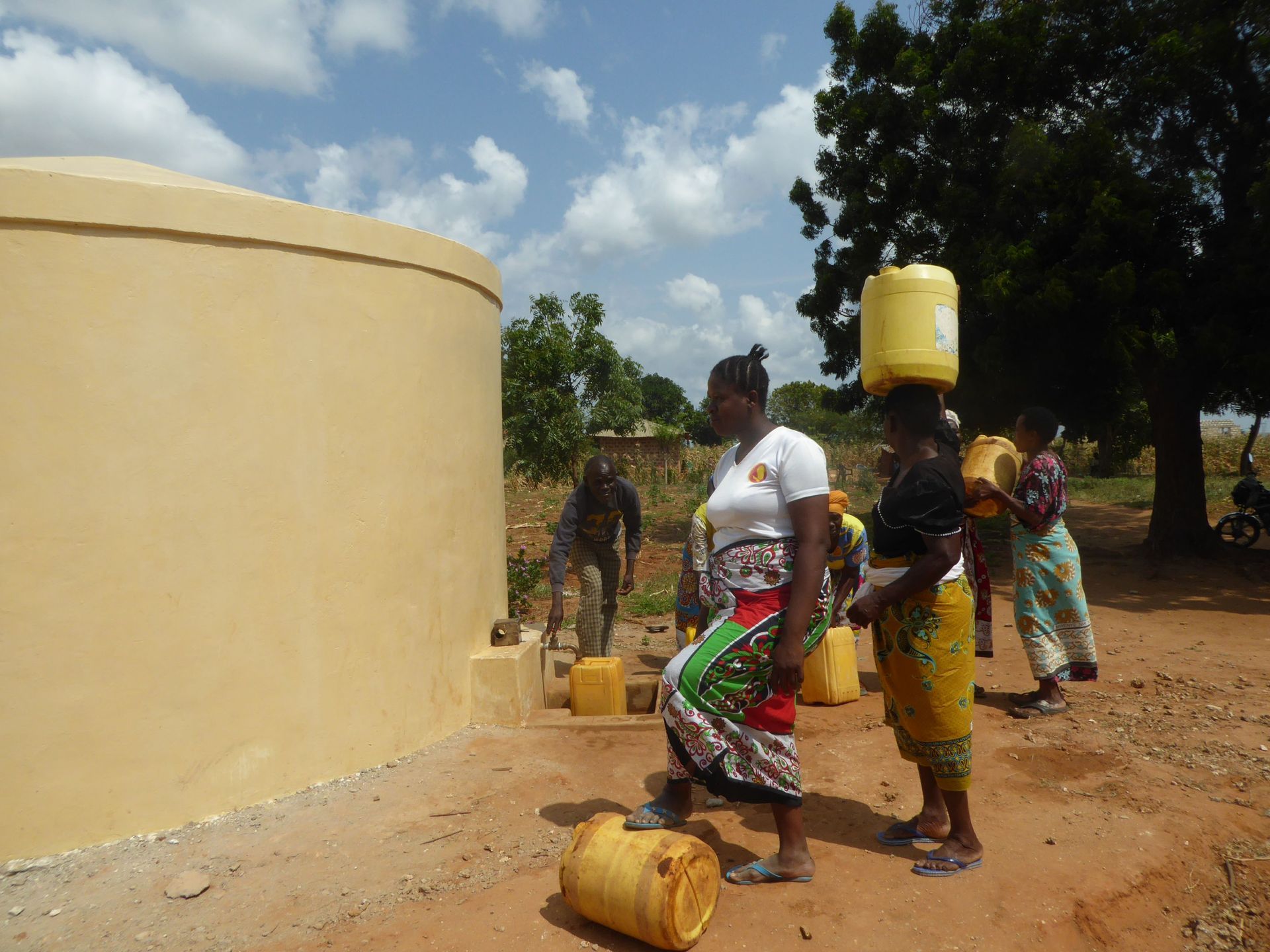
- construction of a concrete water-tank for water storage and selling to the community;
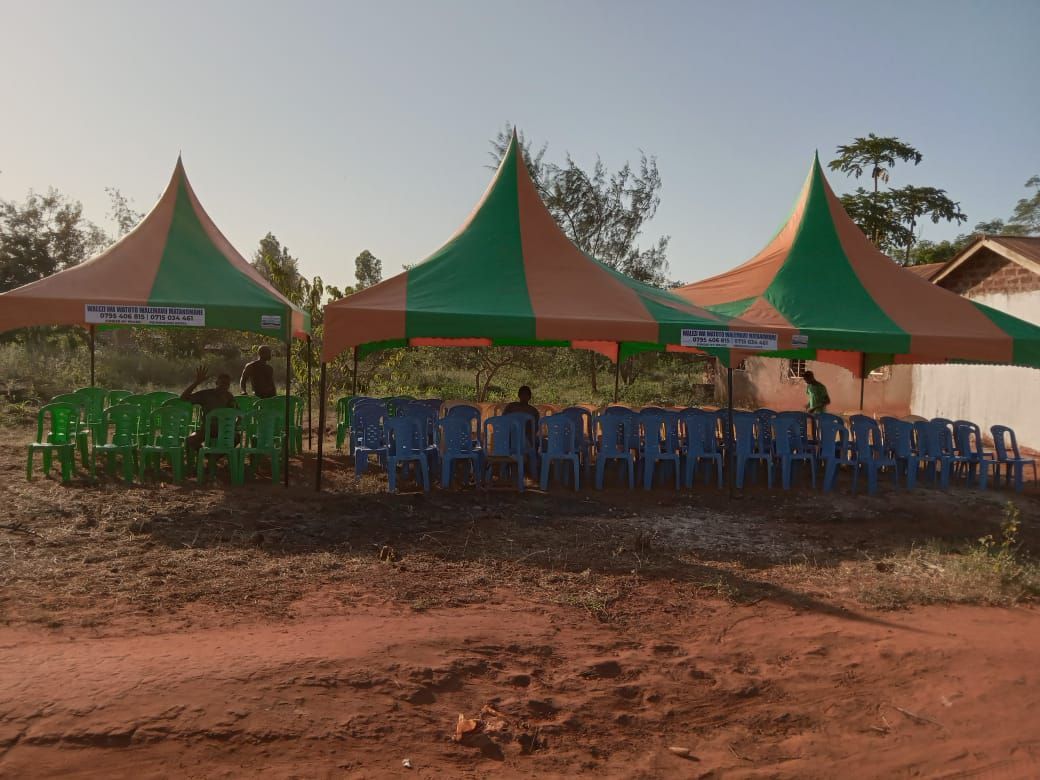
- purchase of large tent, chairs, gazebo and large cooking pots for hire out to community events such as weddings and funerals;
- set up of market stalls for selling farmed produce and renting out to other people in the community;
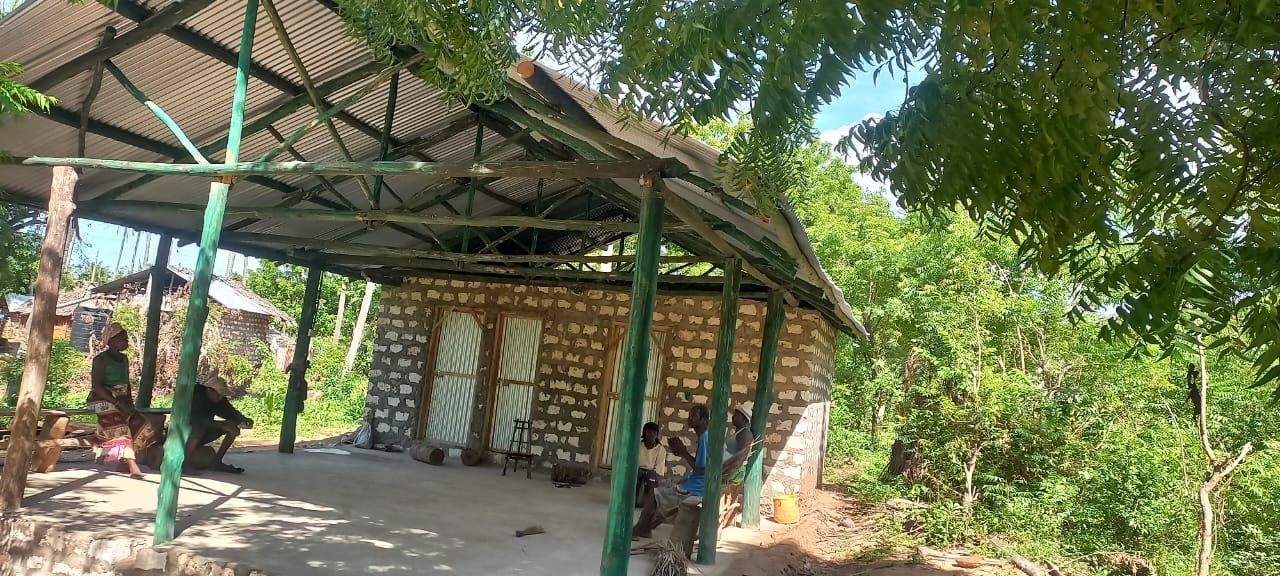
- construction of a building for a café to prepare refreshments and to serve members of the local community.
“We are happy for the capital funds. The group was able to give Ks10,000/= towards treatment of one of our children with disabilities. We are planning next year to pay school fees for one of our children who is blind.”
“Income from the tents increased membership attendance to meetings. Nearly every member comes for meetings. It is no longer a problem if a member needs a little money to sort out a problem concerning the child with a disability. We thank God for this.”